Living a healthy lifestyle is one of the most important steps you can take to improve your overall well-being and longevity. In today’s fast-paced world, many people struggle to maintain healthy habits due to busy schedules, unhealthy food choices, and lack of physical activity. However, adopting simple daily practices can make a significant difference in your physical health, mental clarity, and emotional balance.
What Is a Healthy Lifestyle?
A healthy lifestyle is a way of living that reduces the risk of illness and promotes physical, mental, and emotional well-being. It includes healthy eating, regular physical activity, adequate sleep, stress management, and avoiding harmful habits.
Living a healthy lifestyle does not mean making drastic changes overnight. Instead, it involves small, consistent improvements that gradually become part of your daily routine.
Eat a Balanced and Nutritious Diet
One of the most important pillars of a healthy lifestyle is proper nutrition. The food you eat directly affects your energy levels, immune system, and overall health.
Tips for Healthy Eating
- Include plenty of fruits and vegetables in your daily meals.
- Choose whole grains instead of refined grains.
- Eat lean proteins such as beans, lentils, eggs, and fish.
- Limit processed foods and sugary snacks.
- Drink enough water throughout the day.
A balanced diet provides essential nutrients such as vitamins, minerals, protein, carbohydrates, and healthy fats. These nutrients support body functions and help maintain strong immunity.
It is also helpful to eat meals at regular times and avoid skipping breakfast. A healthy breakfast boosts metabolism and provides energy for the day.
Stay Physically Active
Regular physical activity is essential for maintaining a healthy body and mind. Exercise helps control weight, strengthen muscles, improve heart health, and reduce the risk of chronic diseases.
Recommended Physical Activities
- Walking for 30 minutes daily
- Jogging or running
- Cycling
- Swimming
- Yoga or stretching exercises
- Strength training
You do not need to join a gym to stay active. Simple activities such as taking stairs instead of elevators or walking short distances can make a big difference.
Physical activity also improves mood by releasing endorphins, which are natural chemicals that reduce stress and promote happiness.
Get Enough Sleep Every Night
Sleep plays a vital role in maintaining physical and mental health. Lack of sleep can lead to fatigue, poor concentration, weakened immunity, and increased stress levels.
Tips for Better Sleep
- Maintain a consistent sleep schedule.
- Avoid using mobile phones before bedtime.
- Create a quiet and comfortable sleeping environment.
- Avoid caffeine late in the evening.
- Aim for 7–9 hours of sleep each night.
Quality sleep helps the body repair tissues, regulate hormones, and improve brain function.
Manage Stress Effectively
Stress is a natural part of life, but chronic stress can negatively affect health. Learning how to manage stress is essential for maintaining emotional balance.
Effective Stress Management Techniques
- Practice deep breathing exercises.
- Spend time in nature.
- Listen to music or read books.
- Engage in hobbies you enjoy.
- Practice meditation or mindfulness.
Regular relaxation activities can help reduce anxiety and improve overall well-being.
Stay Hydrated Throughout the Day
Water is essential for many body functions, including digestion, temperature regulation, and nutrient transport.
Benefits of Drinking Enough Water
- Improves digestion
- Boosts energy levels
- Maintains healthy skin
- Prevents dehydration
- Supports kidney function
Most adults should drink around 6–8 glasses of water daily, although individual needs may vary depending on activity level and climate.
Carrying a reusable water bottle can help remind you to drink water regularly.
Avoid Harmful Habits
Certain habits can harm your health and reduce life expectancy. Avoiding these behaviors is essential for maintaining a healthy lifestyle.
Harmful Habits to Avoid
- Smoking
- Excessive alcohol consumption
- Overeating junk food
- Sitting for long periods
- Lack of physical activity
Replacing unhealthy habits with positive ones can significantly improve long-term health.
Maintain a Healthy Weight
Maintaining a healthy body weight reduces the risk of conditions such as heart disease, diabetes, and high blood pressure.
Tips for Weight Management
- Eat smaller portion sizes.
- Avoid late-night snacking.
- Stay physically active.
- Monitor your calorie intake.
- Focus on nutritious foods instead of empty calories.
Healthy weight management is not about dieting but about making sustainable lifestyle changes.
Build Strong Social Connections
Human relationships play an important role in emotional and mental health. Spending time with family and friends improves mood and reduces feelings of loneliness.
Ways to Strengthen Social Bonds
- Communicate regularly with loved ones.
- Participate in community activities.
- Share meals with family.
- Offer support to others.
Positive relationships contribute to happiness and emotional stability.
Practice Good Hygiene
Maintaining personal hygiene is essential for preventing infections and maintaining overall health.
Hygiene Habits to Follow
- Wash hands regularly with soap.
- Maintain oral hygiene by brushing twice daily.
- Keep nails clean and trimmed.
- Take regular baths or showers.
- Wear clean clothes.
Good hygiene habits help protect you and others from illness.
Schedule Regular Health Checkups
Routine health checkups help detect potential health problems early. Early diagnosis often leads to more effective treatment.
Benefits of Regular Checkups
- Monitor blood pressure and cholesterol
- Detect diseases early
- Receive professional health advice
- Track overall health progress
Even if you feel healthy, periodic medical visits are essential for preventive care.
Limit Screen Time
Excessive screen time can lead to eye strain, poor posture, and reduced physical activity.
Tips to Reduce Screen Time
- Take regular breaks from screens.
- Follow the 20-20-20 rule for eye health.
- Spend time outdoors.
- Avoid screens before bedtime.
Balancing digital use with physical activities improves overall health.
Stay Mentally Active
Keeping your mind active is just as important as maintaining physical health.
Activities for Mental Fitness
- Reading books
- Solving puzzles
- Learning new skills
- Practicing memory exercises
- Engaging in creative hobbies
Mental stimulation helps maintain cognitive function and reduces the risk of memory problems.
Develop Positive Daily Habits
Healthy habits build the foundation of a healthy lifestyle. Small daily actions can lead to long-term improvements.
Examples of Healthy Habits
- Starting the day with stretching
- Eating meals at fixed times
- Planning daily tasks
- Practicing gratitude
- Staying organized
Consistency is the key to turning healthy actions into lifelong habits.
Benefits of Living a Healthy Lifestyle
Adopting a healthy lifestyle provides numerous advantages for both physical and mental well-being.
Key Benefits
- Increased energy levels
- Improved immunity
- Better mood and mental clarity
- Reduced risk of chronic diseases
- Longer life expectancy
- Improved productivity
Healthy living also enhances confidence and overall quality of life.
Conclusion
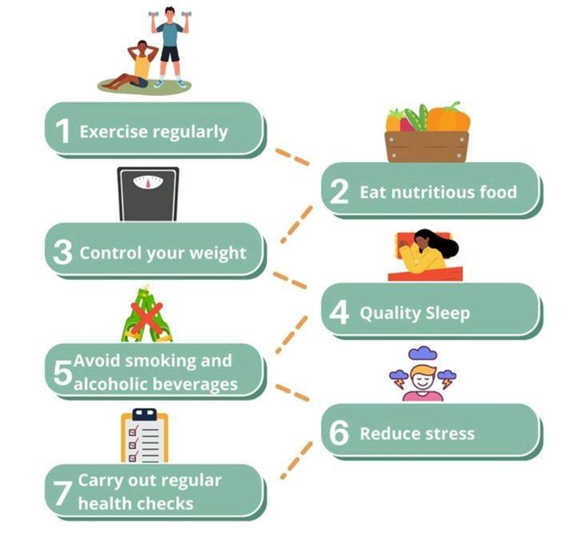
A healthy lifestyle is not about perfection but about making conscious choices that support your well-being. By eating nutritious foods, staying active, getting enough sleep, managing stress, and maintaining positive habits, you can significantly improve your overall health.
Remember, small changes can lead to big results. Start with simple steps, remain consistent, and gradually build healthier habits into your daily routine. Over time, these practices will become part of your lifestyle, helping you live a happier, healthier, and more fulfilling life.