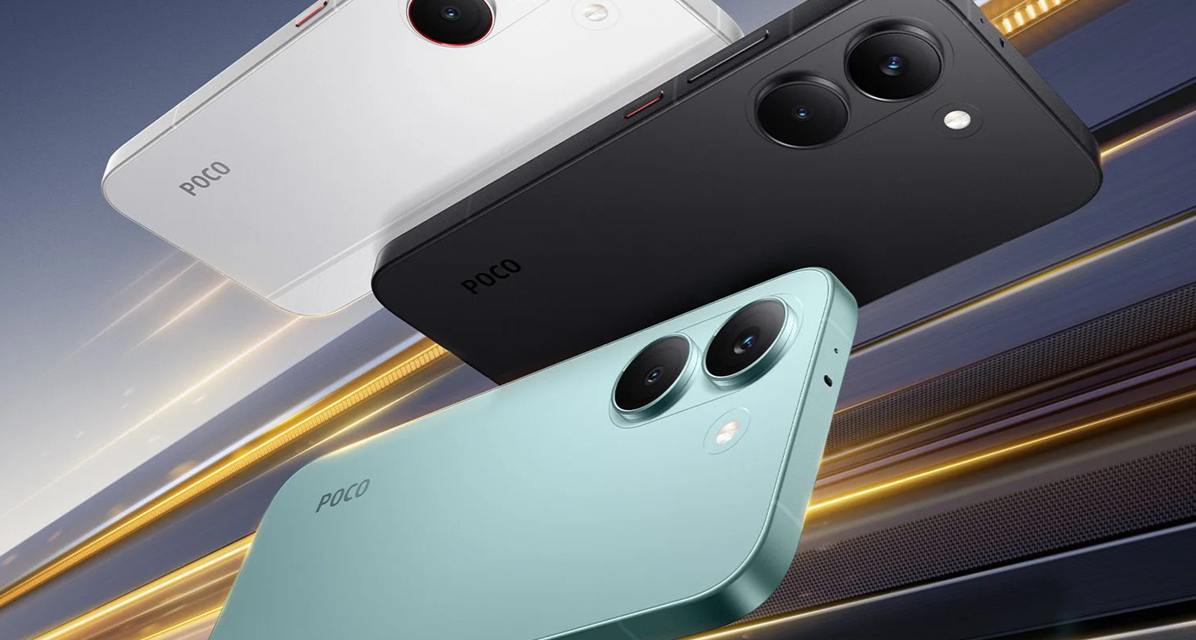
The smartphone market continues to evolve rapidly, and Xiaomi has remained a key player by offering powerful devices at competitive prices. One of its most anticipated releases is the Xiaomi Poco X8 Pro, a device that aims to combine flagship-level performance with affordability. In this blog post, we will explore everything you need to know about the Poco X8 Pro, including its design, performance, camera, battery, and overall value.
Introduction to Poco Series
Before diving into the Poco X8 Pro, it’s important to understand the Poco brand. Poco started as a sub-brand of Xiaomi and quickly gained popularity with devices like the Poco F1, which delivered high-end performance at a budget-friendly price. Over time, Poco has built a strong identity by focusing on performance-driven smartphones for gamers and power users.
The Poco X series, in particular, is known for balancing performance, camera quality, and pricing—making it a popular choice among mid-range buyers.
Design and Build Quality
The Xiaomi Poco X8 Pro is expected to feature a modern and stylish design. The device likely comes with a sleek glass or polycarbonate back, offering a premium feel while maintaining durability. The slim profile and curved edges make it comfortable to hold for long periods.
Key Design Highlights:
-
Minimalistic rear camera module
-
Punch-hole display for the front camera
-
Side-mounted or in-display fingerprint sensor
-
Multiple color options for personalization
The phone is designed to appeal to both casual users and young tech enthusiasts who prefer a trendy look.
Display: Smooth and Immersive
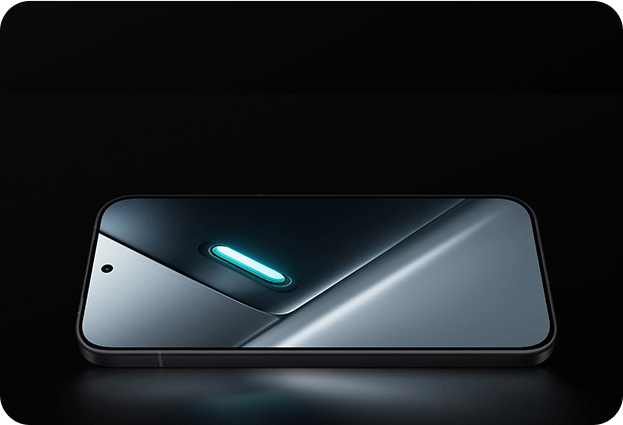
The Poco X8 Pro is expected to feature a large AMOLED display, likely around 6.6 to 6.7 inches. AMOLED panels are known for their vibrant colors, deep blacks, and excellent contrast ratios.
Display Features:
-
Full HD+ resolution
-
120Hz refresh rate for smooth scrolling
-
HDR support for enhanced video experience
-
High brightness levels for outdoor visibility
This makes the device perfect for watching movies, gaming, and browsing social media.
Performance: Built for Speed
Performance is where the Poco X8 Pro truly shines. The device is expected to be powered by a powerful processor, possibly from the MediaTek Dimensity or Qualcomm Snapdragon series.
Expected Performance Specs:
-
Octa-core processor
-
Up to 12GB RAM
-
UFS storage for faster data access
-
Advanced cooling system for gaming
This configuration ensures that the phone can handle:
-
Heavy gaming (BGMI, Call of Duty Mobile)
-
Multitasking with multiple apps
-
Video editing and content creation
The Poco X8 Pro is designed for users who demand speed and efficiency without spending flagship-level money.
Camera Capabilities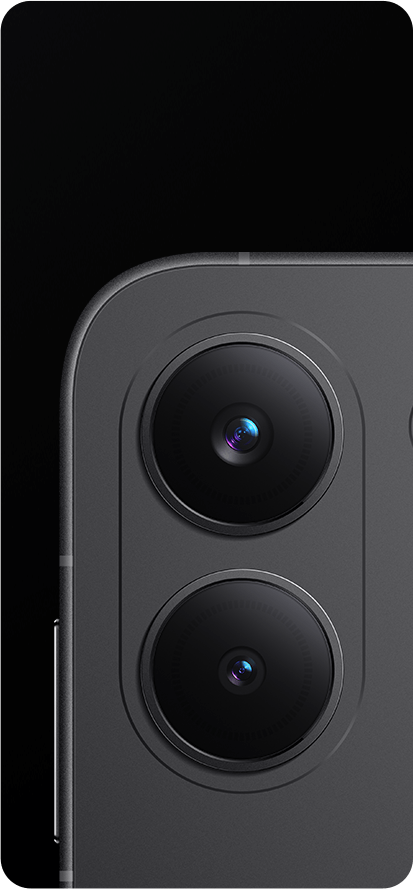
The camera system on the Xiaomi Poco X8 Pro is expected to be versatile and capable of delivering high-quality images in various conditions.
Rear Camera Setup:
-
Primary sensor (likely 64MP or 108MP)
-
Ultra-wide lens
-
Macro or depth sensor
Camera Features:
-
AI photography enhancements
-
Night mode for low-light shots
-
4K video recording
-
HDR and portrait modes
Front Camera:
-
High-resolution selfie camera (16MP or higher)
-
AI beauty mode
-
Video calling optimization
Overall, the Poco X8 Pro is suitable for photography enthusiasts who want good results without investing in premium flagship devices.
Battery Life and Charging
Battery life is another strong point of the Poco X8 Pro. The device is expected to feature a large battery capacity, ensuring all-day usage.
Battery Features:
-
5000mAh or higher battery
-
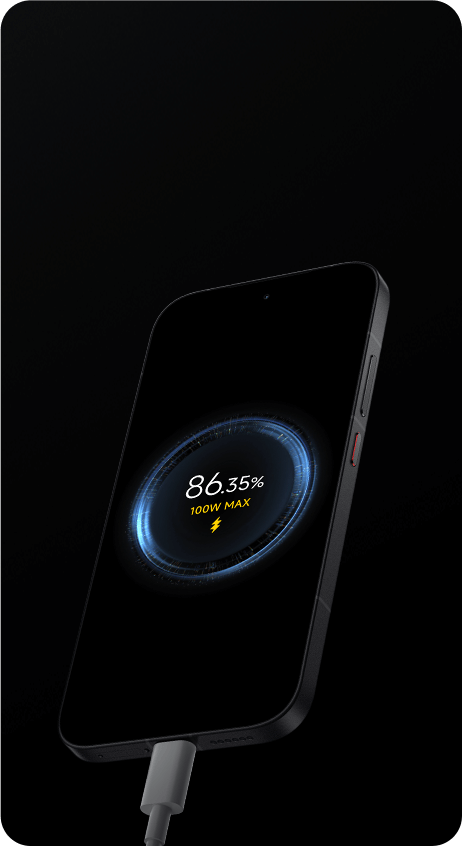
Fast charging support (likely 67W or more)
-
USB Type-C port
With fast charging, users can quickly power up their device, reducing downtime. This is especially useful for gamers and heavy users.
Software and User Experience
The Poco X8 Pro will likely run on MIUI for Poco, based on the latest Android version. Xiaomi has improved its software experience over the years, offering smoother performance and useful features.
Software Highlights:
-
Clean UI with customization options
-
Game Turbo mode for enhanced gaming
-
Regular updates and security patches
-
Minimal bloatware compared to older versions
The user experience is designed to be fast, responsive, and user-friendly.
Connectivity and Additional Features
Modern smartphones are expected to support a wide range of connectivity options, and the Poco X8 Pro is no exception.
Connectivity Features:
-
5G support for faster internet speeds
-
Dual SIM support
-
Wi-Fi 6 and Bluetooth 5.3
-
GPS and NFC (in select regions)
Additional Features:
-
Stereo speakers for better audio
-
IP rating (optional, depending on variant)
-
Expandable storage (in some models)
These features make the device future-ready and suitable for modern users.
Pricing and Value for Money
One of the biggest advantages of Poco devices is their aggressive pricing. The Xiaomi Poco X8 Pro is expected to fall in the mid-range category, offering excellent value for money.
Expected Price Range:
-
₹20,000 to ₹30,000 (approx.)
At this price point, the phone competes with brands like Realme, Samsung, and iQOO, but stands out due to its strong performance and feature set.
Pros and Cons
Pros:
-
Powerful performance for gaming
-
High refresh rate AMOLED display
-
Fast charging and large battery
-
Competitive pricing
Cons:
-
Camera may not match flagship devices
-
MIUI may still include some ads (depending on region)
-
Build quality may not be fully premium
Conclusion
The Xiaomi Poco X8 Pro is shaping up to be a strong contender in the mid-range smartphone segment. With its powerful processor, smooth display, capable cameras, and long battery life, it offers a well-rounded experience for users who want performance without breaking the bank.
Whether you are a gamer, a student, or a professional looking for a reliable smartphone, the Poco X8 Pro is worth considering. It continues Poco’s tradition of delivering high-performance devices at affordable prices, making it a smart choice in today’s competitive market.