Breast size is one of the most discussed aspects of the human body, yet it is also surrounded by myths and misinformation. Many people wonder whether their breast size is normal, what determines it, and whether it changes over time. The truth is that breast size varies naturally from person to person, and there is no single “ideal” size.
What Determines Breast Size?
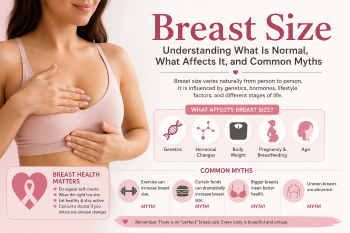
Breast size is influenced by a combination of genetic, hormonal, and lifestyle factors. Every person’s body develops differently, which is why breast size can vary significantly even among siblings.
The main factors include:
- Genetics
- Hormonal changes
- Body weight
- Age
- Pregnancy and breastfeeding
- Overall health
Since breast tissue contains both glandular tissue and fat, changes in body fat often affect breast size.
Breast Development During Puberty
Breast development usually begins during puberty when the body starts producing higher levels of hormones, particularly estrogen.
The stages of breast development include:
- Small breast buds appear.
- Breast tissue gradually expands.
- The nipples and areola become more defined.
- Breasts continue developing over several years.
Development often continues into the late teenage years or even the early twenties. It is completely normal for one breast to develop faster than the other during this period.
Average Breast Size
There is no universal average breast size because it varies across countries, ethnic backgrounds, genetics, and body types.
Bra sizes are also not the same as breast volume because they depend on:
- Band measurement
- Cup measurement
- Brand sizing differences
For example, a C cup on a smaller band size does not have the same volume as a C cup on a larger band size.
Rather than focusing on a specific cup size, healthcare professionals generally emphasize breast health and comfort.
Why Breast Size Changes
Breast size does not remain constant throughout life. Several natural events can cause noticeable changes.
Weight Changes
Since breasts contain fatty tissue, gaining weight often increases breast size, while losing weight may reduce it.
Pregnancy
During pregnancy, hormone levels rise dramatically. Breast tissue grows to prepare for breastfeeding, making the breasts larger and often more sensitive.
Breastfeeding
Milk production causes temporary enlargement. After breastfeeding ends, breast size may decrease, although not always to its previous size.
Menstrual Cycle
Many women notice breast swelling before their menstrual period due to hormonal fluctuations. This change is temporary.
Menopause
After menopause, hormone production declines. Breast tissue gradually becomes less dense and may contain more fatty tissue, changing both size and shape.
Common Myths About Breast Size
Many myths continue to circulate online. Understanding the facts helps avoid unnecessary concerns.
Myth 1: Bigger Breasts Mean Better Health
Breast size has no connection with overall health. A person with smaller breasts can be just as healthy as someone with larger breasts.
Myth 2: Exercise Can Increase Breast Size
Exercise strengthens the chest muscles underneath the breasts but does not increase breast tissue itself.
Chest exercises may improve posture and make the breasts appear firmer, but they do not permanently enlarge breast size.
Myth 3: Foods Can Dramatically Increase Breast Size
There is no scientific evidence that specific foods can significantly increase breast size.
A balanced diet supports overall health but cannot permanently change breast tissue.
Myth 4: Uneven Breasts Are Abnormal
Slight breast asymmetry is extremely common. Most people naturally have one breast that is slightly larger than the other.
Choosing the Right Bra Size
Wearing the correct bra improves comfort, posture, and support.
Signs that a bra may not fit properly include:
- Shoulder pain
- Back discomfort
- Straps digging into the skin
- Gaps in the cups
- Overflowing breast tissue
- Band riding up the back
Getting professionally measured or using accurate sizing guides can help find the best fit.
Breast Health Is More Important Than Size
Rather than worrying about breast size, it is more important to pay attention to breast health.
Healthy habits include:
- Performing regular breast self-awareness checks
- Wearing supportive bras during exercise
- Maintaining a healthy body weight
- Eating a balanced diet
- Staying physically active
- Limiting alcohol consumption
- Avoiding smoking
Any unusual changes should be discussed with a healthcare professional.
When Should You See a Doctor?
Many breast changes are completely normal. However, medical advice should be sought if you notice:
- A new lump
- Persistent breast pain
- Bloody nipple discharge
- Skin dimpling
- Sudden changes in breast shape
- Swelling that does not go away
- Changes in nipple appearance
Early evaluation can help identify potential health issues promptly.
Can Breast Size Be Changed?
Breast size can change naturally because of hormones or weight changes.
Some people choose cosmetic procedures for personal reasons, while others require reconstructive surgery following illness or injury.
Anyone considering surgery should consult a qualified healthcare professional to understand the benefits, risks, recovery process, and realistic expectations.
Emotional Well-Being and Body Confidence
Body image can have a strong impact on confidence. Social media, advertising, and unrealistic beauty standards often create pressure to look a certain way.
It is important to remember that healthy bodies come in many different shapes and sizes. Breast size does not define attractiveness, confidence, femininity, or self-worth.
Focusing on physical health, proper nutrition, regular exercise, and self-care is far more valuable than trying to meet unrealistic appearance standards.
Frequently Asked Questions
Does sleeping position affect breast size?
No. Sleeping on your stomach, side, or back does not permanently change breast size.
Can massage increase breast size?
There is no scientific evidence that massage permanently enlarges breast tissue.
Is it normal for breasts to feel tender before a period?
Yes. Hormonal changes during the menstrual cycle commonly cause temporary tenderness and swelling.
At what age do breasts stop growing?
Most breast development is complete by the late teenage years, although minor changes may continue into the early twenties and throughout adulthood due to hormonal changes.
Does losing weight always reduce breast size?
Not always. Since breast composition varies from person to person, some individuals notice significant changes while others experience only minor differences.
Conclusion
Breast size is a natural characteristic that varies widely among individuals. Genetics, hormones, body weight, age, pregnancy, and lifestyle all contribute to differences in size and shape. There is no “perfect” breast size, and healthy breasts come in many forms.
Instead of comparing yourself with unrealistic beauty standards, focus on maintaining good breast health, wearing properly fitted bras, following a healthy lifestyle, and seeking medical advice if you notice unusual changes. Understanding how breasts naturally develop and change over time can help promote confidence, reduce unnecessary anxiety, and encourage a positive body image.