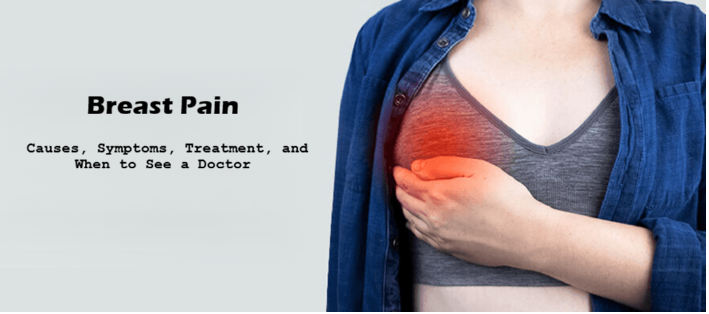
Breast pain is a common health concern that affects people of all ages, especially women. While experiencing pain in one or both breasts can be worrying, it is important to know that breast pain is rarely a sign of a serious medical condition. In most cases, it is related to hormonal changes, muscle strain, or other non-cancerous causes.
Understanding why breast pain occurs, recognizing its symptoms, and knowing when to seek medical advice can help reduce anxiety and ensure timely treatment if needed. This guide explains the common causes of breast pain, available treatment options, and practical tips for maintaining breast health.
What Is Breast Pain?
Breast pain, medically known as mastalgia, refers to discomfort, tenderness, or aching in one or both breasts. The pain may be mild or severe, constant or occasional, and can affect daily activities such as exercising, sleeping, or wearing a bra.
Breast pain can occur in women before menopause, during pregnancy, while breastfeeding, or after menopause. Although less common, men can also experience breast pain due to hormonal imbalances or certain medical conditions.
Types of Breast Pain
Healthcare professionals generally classify breast pain into three main categories.
1. Cyclical Breast Pain
This is the most common type of breast pain and is linked to hormonal changes during the menstrual cycle.
Common characteristics include:
- Occurs before menstruation
- Usually affects both breasts
- Feels heavy, sore, or swollen
- Improves after the menstrual period begins
2. Non-Cyclical Breast Pain
This type is not related to the menstrual cycle and may occur at any age.
It often:
- Affects one breast
- Is localized to a specific area
- May feel sharp, burning, or stabbing
- Can come and go without a predictable pattern
3. Extramammary Pain
Sometimes pain that seems to come from the breast actually originates from nearby muscles, ribs, joints, or the chest wall. Conditions affecting these structures can cause discomfort that is mistaken for breast pain.
Common Causes of Breast Pain
Several factors can contribute to breast pain, and most are not serious.
Hormonal Changes
Hormone fluctuations during the menstrual cycle are one of the leading causes of breast tenderness. Rising estrogen and progesterone levels can make breast tissue feel swollen and sensitive.
Pregnancy
Breast pain is often one of the earliest signs of pregnancy. Increased hormone production prepares the breasts for milk production, causing tenderness and enlargement.
Breastfeeding
Breastfeeding mothers may experience pain due to:
- Engorgement
- Blocked milk ducts
- Improper latching
- Breast infections such as mastitis
Breast Cysts
Fluid-filled cysts can develop within breast tissue. While usually harmless, larger cysts may cause pain or tenderness.
Injury or Muscle Strain
Physical activities, heavy lifting, sports injuries, or chest muscle strain may lead to pain that feels like it is coming from the breast.
Poorly Fitting Bra
A bra that provides inadequate support or fits incorrectly can cause discomfort, especially for individuals with larger breasts or during physical activity.
Certain Medications
Some medications may cause breast tenderness as a side effect, including:
- Hormone replacement therapy
- Birth control pills
- Certain antidepressants
- Some fertility treatments
Breast Infection
Infections are more common during breastfeeding but can occur at other times as well. Symptoms often include redness, warmth, swelling, pain, and sometimes fever.
Symptoms Associated with Breast Pain
The sensation of breast pain varies from person to person. Common symptoms include:
- Dull aching
- Sharp or stabbing pain
- Burning sensation
- Tenderness when touched
- Swelling
- Feeling of heaviness
- Pain extending toward the armpit
Some people experience discomfort in only one area, while others notice pain throughout the entire breast.
Is Breast Pain a Sign of Breast Cancer?
Many people worry that breast pain indicates breast cancer. However, breast pain alone is rarely the first symptom of breast cancer.
More concerning symptoms include:
- A new breast lump
- Changes in breast shape or size
- Skin dimpling or thickening
- Bloody nipple discharge
- An inverted nipple that develops suddenly
- Persistent swelling or redness
If breast pain occurs alongside any of these symptoms, medical evaluation is recommended.
How Is Breast Pain Diagnosed?
A healthcare provider will usually begin by asking about:
- The location of the pain
- Duration and severity
- Menstrual history
- Pregnancy status
- Current medications
- Family history of breast conditions
A physical examination is often performed. Depending on age and symptoms, additional tests may include:
- Breast ultrasound
- Mammogram
- MRI in selected cases
- Aspiration of a breast cyst if necessary
These tests help identify the underlying cause and rule out more serious conditions.
Treatment Options
Treatment depends on the cause of breast pain.
Lifestyle Changes
Many people experience improvement through simple lifestyle adjustments, such as:
- Wearing a supportive bra
- Maintaining a healthy weight
- Exercising regularly
- Reducing stress
- Staying hydrated
Pain Relief
For temporary discomfort, doctors may recommend over-the-counter pain relievers if appropriate. These should be used according to medical advice and package instructions.
Treating Underlying Conditions
If breast pain is caused by an infection, cyst, or medication, addressing the underlying issue often resolves the discomfort.
Hormonal Management
In some cases, healthcare providers may adjust hormone-related medications or recommend other treatments if hormonal fluctuations are the primary cause of persistent pain.
Tips for Maintaining Breast Health
Good breast health involves more than managing pain. Consider these healthy habits:
- Become familiar with how your breasts normally look and feel.
- Wear a properly fitted bra, especially during exercise.
- Eat a balanced diet rich in fruits, vegetables, whole grains, and lean protein.
- Exercise regularly.
- Limit alcohol intake.
- Avoid smoking.
- Attend routine health check-ups and recommended breast screenings based on your age and risk factors.
When Should You See a Doctor?
Although breast pain is often harmless, you should seek medical attention if:
- Pain lasts longer than a few weeks.
- The pain is severe or worsening.
- You discover a new lump.
- There is nipple discharge, especially if it is bloody.
- You notice redness, warmth, or swelling accompanied by fever.
- Breast pain interferes with daily activities or sleep.
Early evaluation can help identify the cause and provide appropriate treatment.
Frequently Asked Questions
Can stress cause breast pain?
Yes. Stress may contribute to muscle tension and heighten the perception of pain, which can make breast discomfort feel more noticeable.
Does caffeine cause breast pain?
Research has not established a direct link between caffeine and breast pain. However, some individuals report symptom improvement after reducing caffeine intake.
Is breast pain normal before periods?
Yes. Hormonal changes before menstruation commonly cause temporary breast tenderness and swelling.
Can exercise help?
Regular physical activity supports overall health. Wearing a supportive sports bra during exercise can help minimize discomfort.
Conclusion
Breast pain is a common condition that is usually linked to hormonal changes, pregnancy, breastfeeding, muscle strain, or other non-serious causes. While it can be uncomfortable, it is rarely a sign of breast cancer on its own.
Understanding the different types of breast pain, paying attention to associated symptoms, and maintaining healthy lifestyle habits can help you manage discomfort effectively. If breast pain is persistent, severe, or accompanied by unusual changes such as a lump, nipple discharge, or skin changes, consult a qualified healthcare professional for a proper evaluation. Prioritizing breast health and seeking timely medical advice when needed are the best ways to support your long-term well-being.