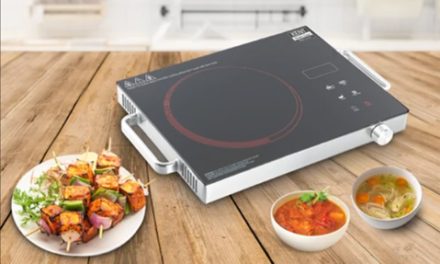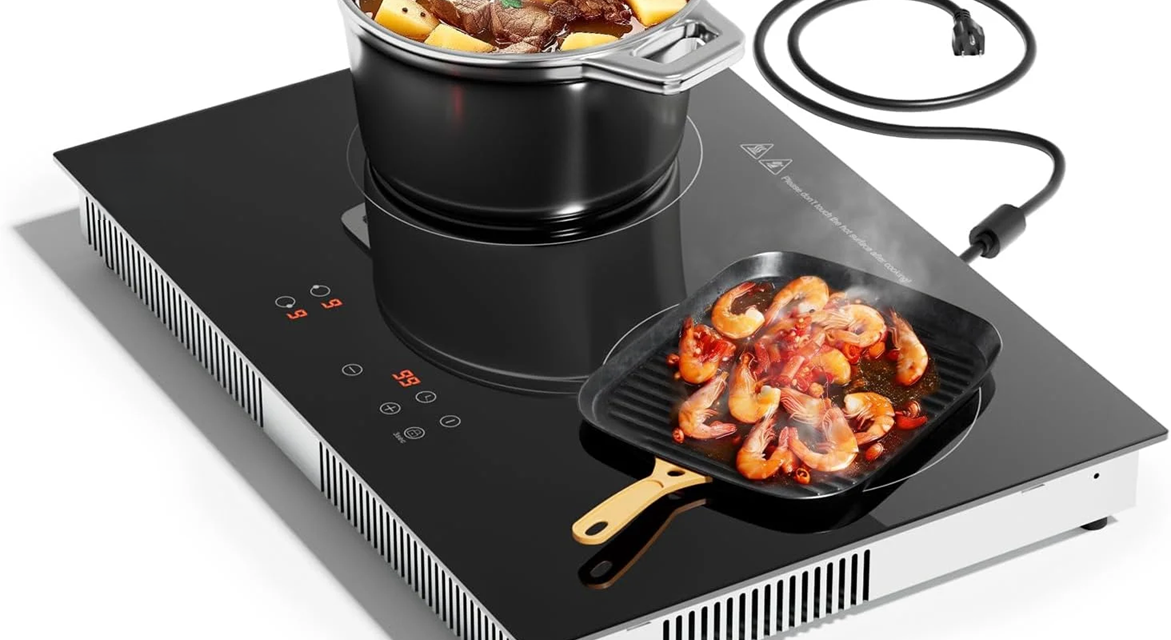
Modern kitchens are evolving rapidly, and one appliance that has gained immense popularity in recent years is the induction cooktop. Known for its speed, safety, and energy efficiency, an induction cooktop has become a preferred choice for many households. Whether you are a student, a working professional, or a homemaker, understanding how an induction cooktop works and its benefits can help you make an informed decision.
What Is an Induction Cooktop?
An induction cooktop is an electric cooking appliance that uses electromagnetic technology to heat cookware directly. Unlike traditional gas stoves or electric coil cooktops, induction cooking does not rely on a flame or a heated surface. Instead, it creates a magnetic field that generates heat inside the cookware itself.
This innovative cooking method ensures faster heating, better temperature control, and improved energy efficiency.
How Does an Induction Cooktop Work?
The working principle of an induction cooktop is based on electromagnetic induction. Beneath the ceramic glass surface of the cooktop is a copper coil. When electricity passes through this coil, it generates a magnetic field.
When compatible cookware made of ferromagnetic material, such as cast iron or certain types of stainless steel, is placed on the cooktop, the magnetic field induces electric currents within the cookware. These currents generate heat, which cooks the food.
Since the heat is produced directly in the cookware, very little energy is wasted, making induction cooking highly efficient.
Benefits of Using an Induction Cooktop
1. Faster Cooking
One of the biggest advantages of induction cooktops is their speed. Water boils much faster compared to gas or conventional electric stoves. This can save valuable time, especially for busy households.
2. Energy Efficiency
Induction cooktops transfer energy directly to the cooking vessel. This reduces heat loss and improves efficiency. Most induction cooktops are significantly more energy-efficient than traditional cooking methods.
3. Enhanced Safety
Safety is a major reason why many people prefer induction cooking. Since the cooktop itself does not become extremely hot, the risk of burns is reduced. Many models also feature automatic shut-off functions and child safety locks.
4. Precise Temperature Control
Induction cooktops offer accurate temperature adjustments. Whether you need a gentle simmer or high heat for frying, you can easily control the cooking temperature.
5. Easy Cleaning
The smooth glass surface of an induction cooktop is easy to clean. Food spills are less likely to burn onto the surface because the cooktop remains relatively cool during cooking.
6. Environment-Friendly Option
Because induction cooking uses electricity efficiently and reduces energy waste, it is considered a more environmentally friendly cooking solution.
Drawbacks of Induction Cooktops
While induction cooktops offer numerous benefits, they also have a few limitations.
1. Compatible Cookware Required
Not all cookware works on induction cooktops. Pots and pans must have a magnetic base. Aluminum, copper, and glass cookware typically require an induction-compatible layer.
2. Higher Initial Cost
Induction cooktops may cost more than traditional electric stoves. However, the long-term energy savings can help offset the initial investment.
3. Dependence on Electricity
Unlike gas stoves, induction cooktops cannot function during power outages. This can be a concern in areas with frequent electricity interruptions.
4. Learning Curve
Some users may need time to adapt to the rapid heating and precise controls offered by induction technology.
Types of Induction Cooktops
Portable Induction Cooktops
Portable induction cooktops are compact and lightweight. They are ideal for students, small kitchens, and temporary cooking setups.
Built-In Induction Cooktops
Built-in models are installed directly into kitchen countertops. They provide a sleek appearance and are commonly used in modern kitchens.
Single Burner Induction Cooktops
These cooktops feature one cooking zone and are suitable for individuals or small families.
Multi-Burner Induction Cooktops
These models offer multiple cooking zones, allowing users to prepare several dishes simultaneously.
How to Choose the Best Induction Cooktop
Consider Power Consumption
Higher wattage generally means faster cooking. Most household induction cooktops range from 1200W to 2200W.
Check Cooking Modes
Look for preset cooking functions such as boiling, frying, grilling, and pressure cooking for added convenience.
Evaluate Safety Features
Choose a model with child lock, auto shut-off, overheating protection, and voltage control.
Surface Quality
A high-quality ceramic glass surface ensures durability and easy maintenance.
Brand Reputation
Select a trusted brand known for reliability, customer support, and warranty services.
Tips for Using an Induction Cooktop
- Use flat-bottomed cookware for optimal performance.
- Avoid dragging cookware across the glass surface to prevent scratches.
- Clean the cooktop regularly using a soft cloth.
- Follow the manufacturer’s instructions regarding cookware compatibility.
- Keep the ventilation area unobstructed for proper cooling.
Induction Cooktop vs Gas Stove
| Feature | Induction Cooktop | Gas Stove |
|---|---|---|
| Cooking Speed | Faster | Moderate |
| Energy Efficiency | High | Lower |
| Safety | Very Safe | Open Flame Risk |
| Cleaning | Easy | More Effort Required |
| Temperature Control | Precise | Good |
| Environmental Impact | Lower | Higher |
For users prioritizing efficiency, safety, and modern convenience, induction cooktops often provide a better overall experience.
Future of Induction Cooking
As energy-efficient appliances become increasingly important, induction technology is expected to play a significant role in modern kitchens. Advances in smart controls, connectivity features, and improved energy management are making induction cooktops even more attractive to consumers.
Many households are transitioning toward electric cooking solutions as governments and environmental organizations encourage reduced reliance on fossil fuels. This trend is likely to increase the adoption of induction cooktops worldwide.
Conclusion
An induction cooktop is a modern, efficient, and safe cooking appliance that offers numerous advantages over traditional cooking methods. Its fast heating, precise temperature control, energy efficiency, and easy maintenance make it an excellent choice for contemporary kitchens. Although it requires compatible cookware and depends on electricity, the benefits often outweigh these limitations.
Whether you are upgrading your kitchen or purchasing your first cooking appliance, an induction cooktop can provide a convenient and reliable cooking experience while helping you save time and energy in the long run.