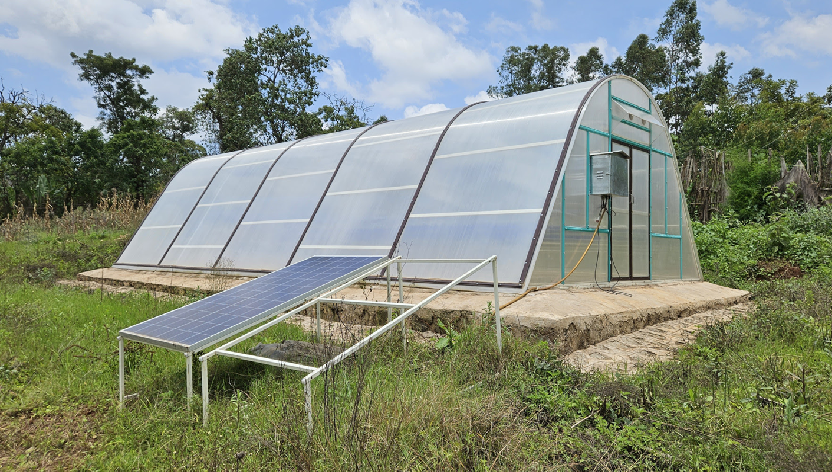
In today’s world, where energy conservation and sustainable living are becoming increasingly important, solar dryers have emerged as an effective and environmentally friendly technology for food preservation. A solar dryer uses the sun’s energy to remove moisture from food products, helping to extend their shelf life while maintaining nutritional quality. From farmers and food processors to households, solar dryers offer numerous benefits that make them a valuable alternative to traditional drying methods.
What Is a Solar Dryer?
A solar dryer is a device that uses solar energy to dry agricultural products, fruits, vegetables, herbs, fish, and other food items. Unlike open sun drying, where products are exposed directly to sunlight, dust, insects, and weather conditions, a solar dryer provides a controlled environment that improves drying efficiency and product quality.
The primary purpose of a solar dryer is to reduce the moisture content of food items, preventing the growth of bacteria, fungi, and other microorganisms that can cause spoilage.
How Does a Solar Dryer Work?
A solar dryer works by capturing solar radiation and converting it into heat. The generated heat warms the air inside the dryer, which then passes over the food products. As the warm air circulates, it absorbs moisture from the food and carries it away through ventilation openings.
The basic components of a solar dryer include:
- Solar collector
- Drying chamber
- Air vents
- Trays or racks for placing products
- Transparent cover or glazing material
The drying process continues until the desired moisture level is achieved, making the product safe for storage and transportation.
Types of Solar Dryers
1. Direct Solar Dryer
In a direct solar dryer, food products are placed inside an enclosed chamber with a transparent cover. Sunlight directly heats the products and the air inside the chamber.
Advantages:
- Simple design
- Low cost
- Easy maintenance
Disadvantages:
- Possible color fading due to direct sunlight
- Limited control over temperature
2. Indirect Solar Dryer
In an indirect solar dryer, sunlight heats a separate solar collector. The heated air is then directed into the drying chamber where the food is stored.
Advantages:
- Better product quality
- Reduced exposure to direct sunlight
- Improved nutrient retention
Disadvantages:
- Higher construction cost
- More complex design
3. Mixed-Mode Solar Dryer
This type combines both direct and indirect heating methods. Food receives heat from direct sunlight and heated air from a solar collector.
Advantages:
- Faster drying
- Higher efficiency
- Better drying performance
4. Hybrid Solar Dryer
Hybrid solar dryers use solar energy along with an auxiliary energy source such as electricity, biomass, or gas. This ensures continuous drying even during cloudy weather.
Advantages:
- Reliable operation
- Suitable for commercial applications
- Year-round drying capability
Benefits of Using Solar Dryers
Environmentally Friendly
Solar dryers use renewable solar energy, reducing dependence on fossil fuels and lowering carbon emissions. This makes them a sustainable choice for food processing.
Improved Food Quality
Compared to open sun drying, solar dryers protect products from dust, insects, birds, and rain. This results in cleaner and higher-quality dried products.
Reduced Food Waste
Large quantities of fruits and vegetables spoil due to inadequate storage facilities. Solar dryers help preserve excess produce and minimize post-harvest losses.
Energy Savings
Since solar energy is free and abundant, operating costs are significantly lower than conventional mechanical dryers that rely on electricity or fuel.
Longer Shelf Life
Removing moisture prevents microbial growth, enabling food products to be stored for extended periods without refrigeration.
Better Nutritional Value
Controlled drying temperatures help retain vitamins, minerals, and antioxidants better than traditional drying methods.
Applications of Solar Dryers
Solar dryers are widely used across different sectors.
Agriculture
Farmers use solar dryers to preserve:
- Mangoes
- Bananas
- Apples
- Grapes
- Tomatoes
- Chilies
- Onions
- Herbs
Fisheries
Fish and seafood can be dried hygienically using solar dryers, reducing spoilage and increasing market value.
Herbal Industry
Medicinal plants and herbs require careful drying to preserve their active compounds. Solar dryers provide suitable drying conditions.
Food Processing Industry
Small-scale food processors use solar dryers to produce dried fruits, vegetable powders, spices, and snacks.
Household Use
Many households use compact solar dryers for drying fruits, vegetables, and homemade food products.
Solar Dryer vs Open Sun Drying
| Feature | Solar Dryer | Open Sun Drying |
|---|---|---|
| Drying Speed | Faster | Slower |
| Product Quality | High | Moderate |
| Hygiene | Excellent | Poor |
| Weather Protection | Yes | No |
| Pest Protection | Yes | Limited |
| Nutrient Retention | Better | Lower |
| Shelf Life | Longer | Shorter |
This comparison clearly shows why solar dryers are becoming increasingly popular among farmers and food producers.
Challenges of Solar Dryers
Despite their many advantages, solar dryers also face certain challenges.
Weather Dependency
Solar dryers depend heavily on sunlight availability. Performance may decrease during cloudy or rainy conditions.
Initial Investment
Although operating costs are low, the initial setup cost may be higher than traditional drying methods.
Limited Capacity
Small solar dryers may not be suitable for large-scale industrial processing without proper design modifications.
Maintenance Requirements
Regular cleaning of collectors, trays, and ventilation systems is necessary to maintain efficiency.
Future of Solar Drying Technology
Advancements in solar technology are making solar dryers more efficient and affordable. Researchers are developing smart solar dryers equipped with sensors, automated controls, and energy storage systems. These innovations help optimize temperature and airflow, ensuring consistent drying results.
Governments and agricultural organizations around the world are also promoting solar drying technologies as part of sustainable agriculture initiatives. Increased awareness and financial support are encouraging farmers to adopt these systems.
Conclusion
Solar dryers represent a practical, cost-effective, and environmentally friendly solution for food preservation. By harnessing renewable solar energy, they help reduce food waste, improve product quality, and lower energy consumption. Whether used by farmers, food processors, or households, solar dryers offer significant economic and environmental benefits.
As the demand for sustainable technologies continues to grow, solar dryers are expected to play an increasingly important role in agriculture, food processing, and rural development. Investing in solar drying technology can contribute to a greener future while ensuring better food security and reduced post-harvest losses.